Sundial House
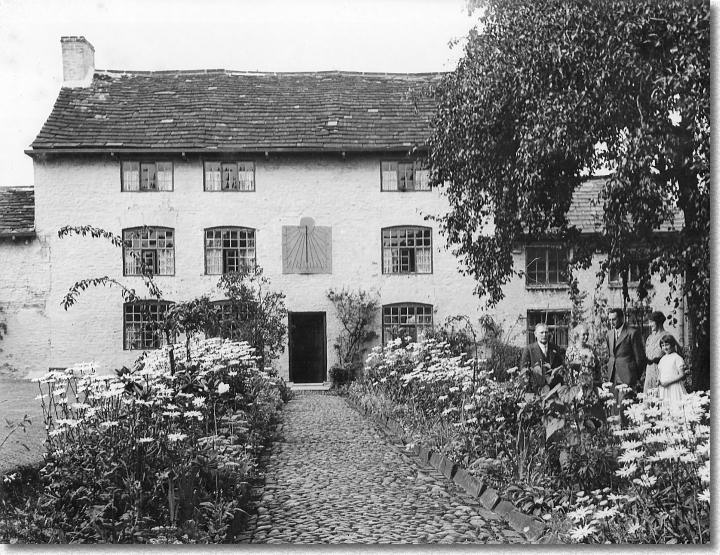
You may have noticed that the name of the Sainsbury building is Sundial House. That is because there was an original Sundial House, a much older building standing for about 300 years in what is now Sainsbury's car park. It was built about 1690 and got its name because it had a large sundial on the house wall, over the front door.
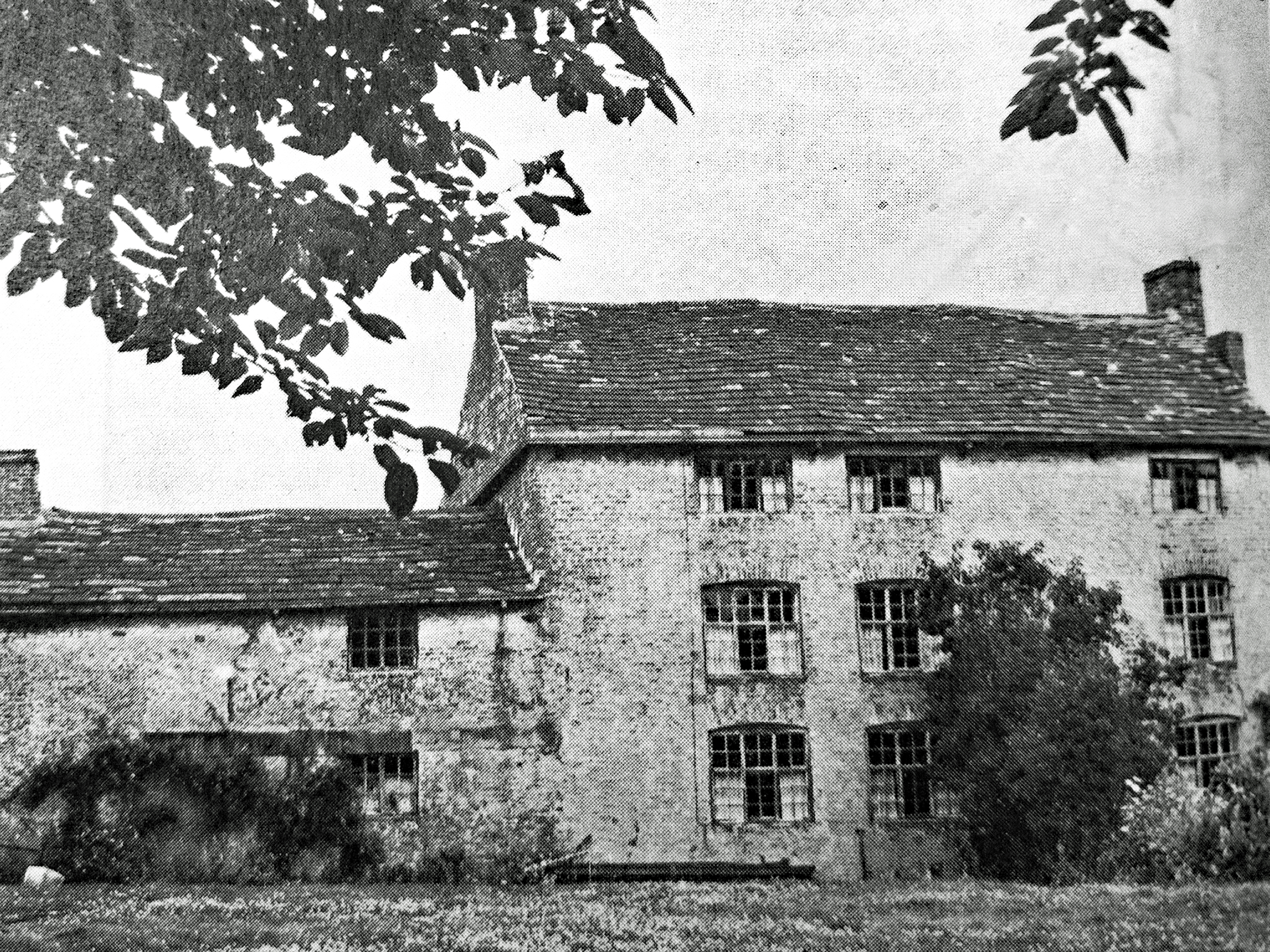
This was the original Twiss Green School. There was no state education system in the 17th century but schools were springing up in many parts of the country, sponsored by a church or wealthy benefactors. The benefactor who provided the funds to build this school was John Guest, a wealthy businessman who lived in Abram but was born in Culcheth. There is an entry in the register of Newchurch Parish Church, dating before 1685, that records: 'John Guest of Abram gave so much money as built the school at Twisse Green .... and £10 towards a stock for the same school'. At that time Twiss Green referred to an area covering most of present day Culcheth. Records show that the school was maintained through charitable donations through the 18th century, including the provision of suitable clothing for poor children to attend school.
Later in the 18th century the building became Culcheth Workhouse. A parliamentary report in 1776 recorded that Culcheth had a Workhouse with accommodation for 50 inmates. Following a Parliament Act in 1834, Poor Law Unions were established across the country and Culcheth became part of Leigh Union. A few years later, as the number of inmates reduced, they were transferred to Leigh and the property was sold to a local Wheelwright and Farmer, James Cleworth. It became his private residence, and maybe incorporated his workshop, It then stayed in the family for several generations. This photo, taken at the time of the coronation of Queen Elizabeth in 1953 shows one of his descendant’s family in the garden.
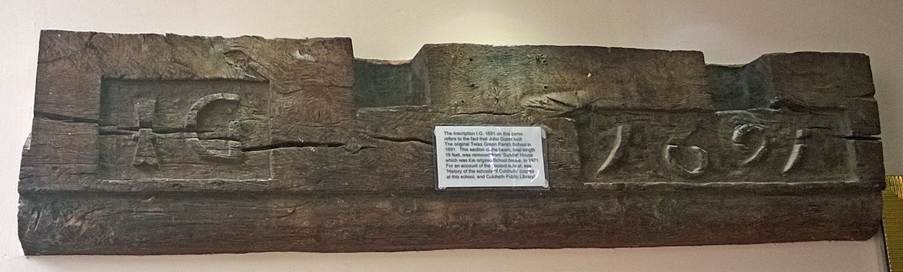
When the house was demolished in 1971 to make way for new developments, an old oak beam was recovered with the date 1691 and initials JG of the original benefactor (it was common for a J to be written as an I in the 17th century). It is now displayed in the reception area of the modern Twiss Green Primary School.