Fishing in Culcheth
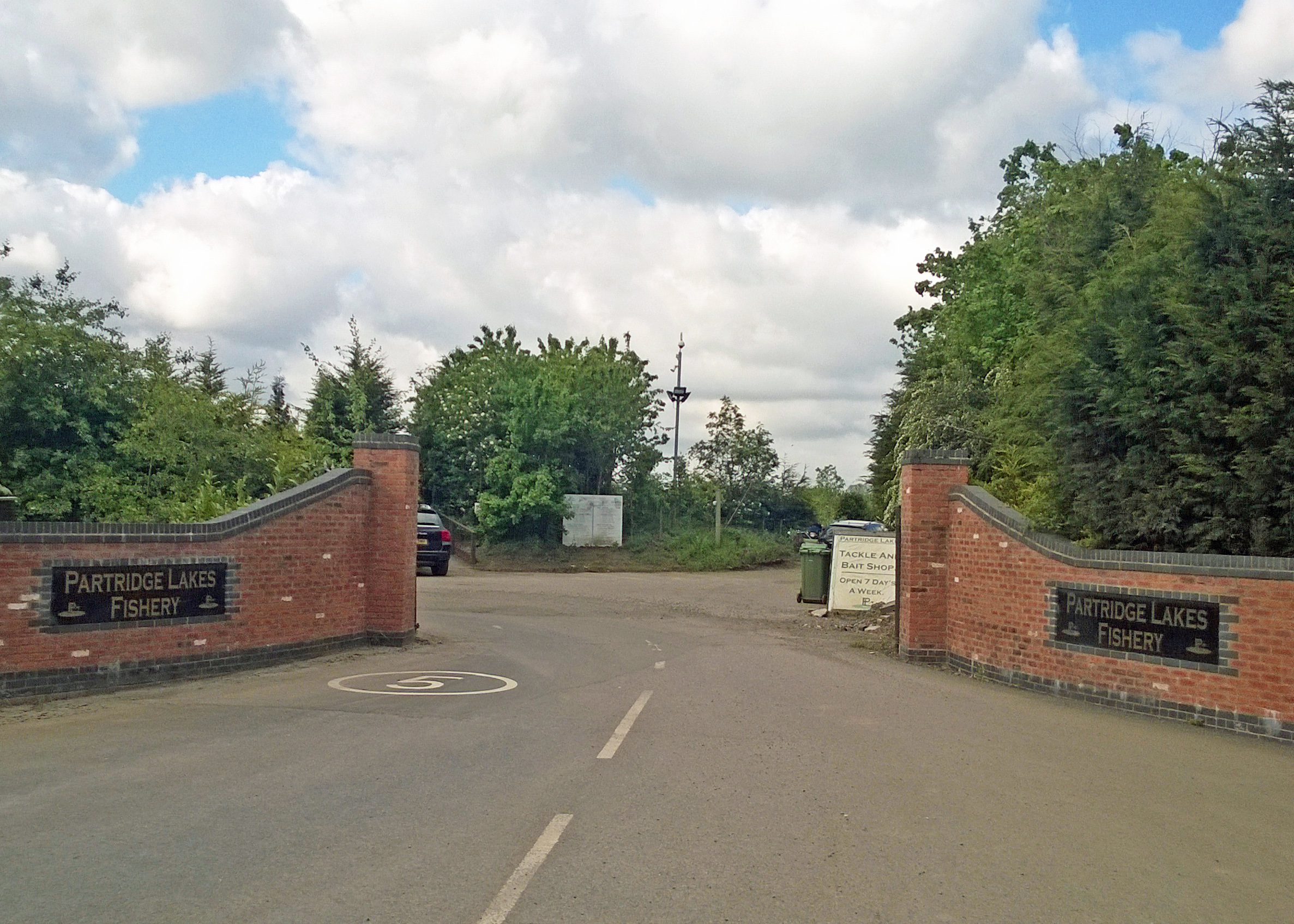
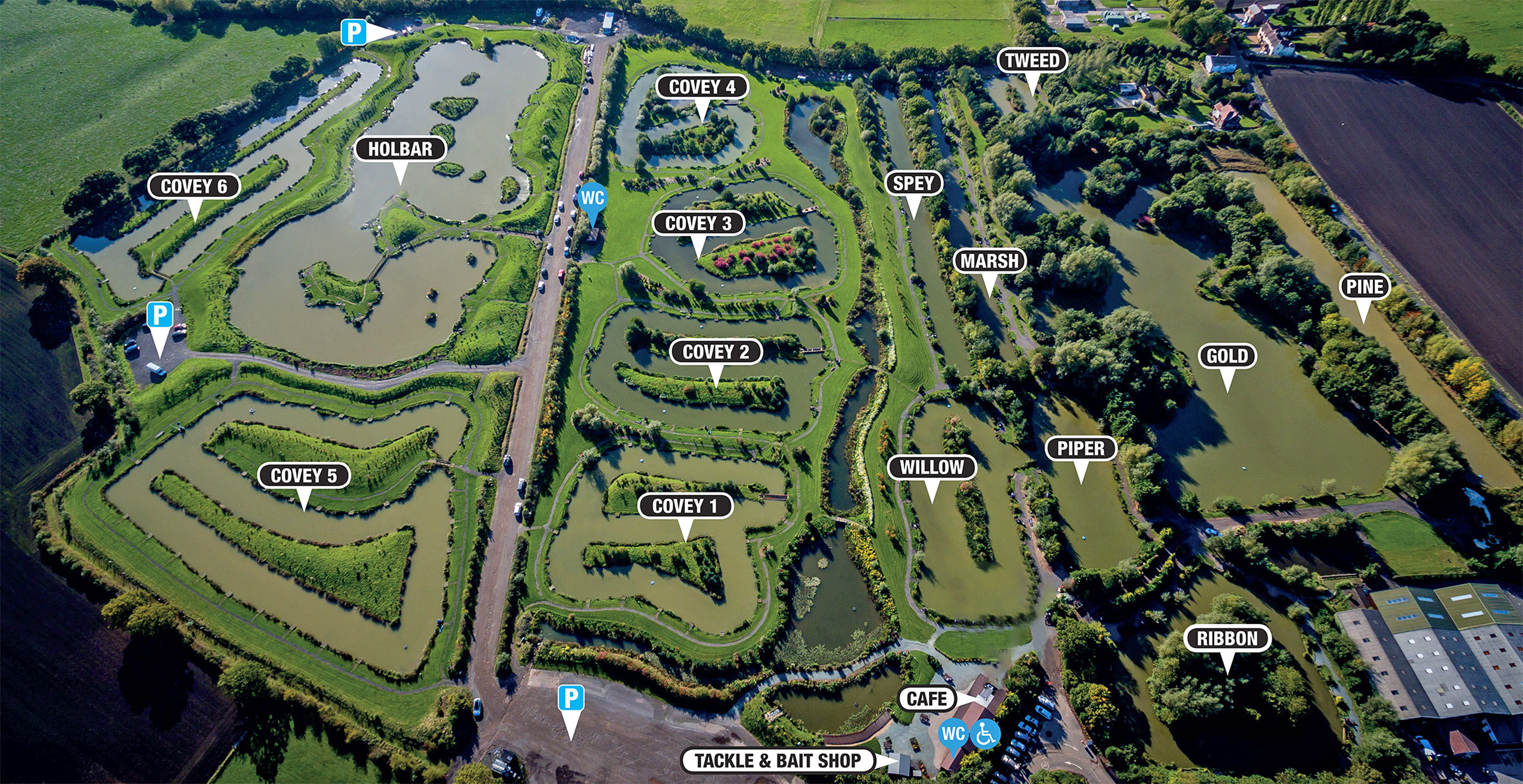
If you wander down Glaziers Lane you will notice the entrance to Partridge Lakes Fishery, which has fishing waters spread over about 70 acres, with a cafe and tackle shop too. It claims to be the busiest coarse fishery in the UK and a leading commercial match fishing venue in Europe so if you are a Culcheth fishing enthusiast you are lucky to have it on your doorstep. It is a very popular place amongst the fishing community, especially at weekends, and gets excellent reviews from its users.
Fishing is the most popular participatory sport in the UK, so for those people, like me, who know very little about it here is a bit of information.
There are three genres of fishing, or angling as it is commonly known: Coarse, Game and Sea. The distinction between Game and Coarse fish arose in the 19th century when fishing was a sport of the 'Gentry' who angled for salmon and trout and called them game fish. They thought that other fish were not as good to eat and so they were described as coarse fish. Partridge Lakes has Carp, Chub, Bream, Roach, Perch, Rudd, Barbel, Tench and Ide, which are all examples of coarse fish. To go fishing you need a licence if you are over 12 years old and you can get a licence for as little as a day. Generally there is a close season 15 March to 15 June when you cannot fish but this does not apply to fishing in still waters, like Partridge Lakes. Some anglers are just out for relaxation or pleasure but often there are competitions between individuals or teams to catch as many as possible in a given time or to catch the largest of a particular species. It can be quite a skilful, technical sport requiring a good knowledge of equipment, fish and environment but beginners can have fun without much experience.
Fishing is most commonly done by a rod and reel, the rod being typically between about 2m and 4m long, and usually made of carbon fibre. Alternatively, poles are used where the line is fixed to the tip of the rod, with no reel used. Poles are often very long, up to 16m, to increase the angler's range. The main techniques used are float, legering, spinning and fly fishing. In float fishing, the bait is held below a float, which will dip when a fish takes the bait. In Legering the bait is held on the bottom of the lake or river by a weight and bites are detected by watching the movement of a 'quiver tip' on the rod, or using an electronic bite alarm. For Spinning a lure or a small fish is attached to a hook and towed through the water to attract carnivorous fish such as pike and perch. Fly fishing is a method using an artificial 'fly' that is cast across the water using a fly rod, reel, and a weighted line. Artificial flies are made by fastening hair, fur, feathers, or other materials onto a hook and tied in sizes, colours and patterns to match local insects attractive to the target fish. Anglers almost always carefully remove their hook and gently return the fish to the water after they have been caught.